
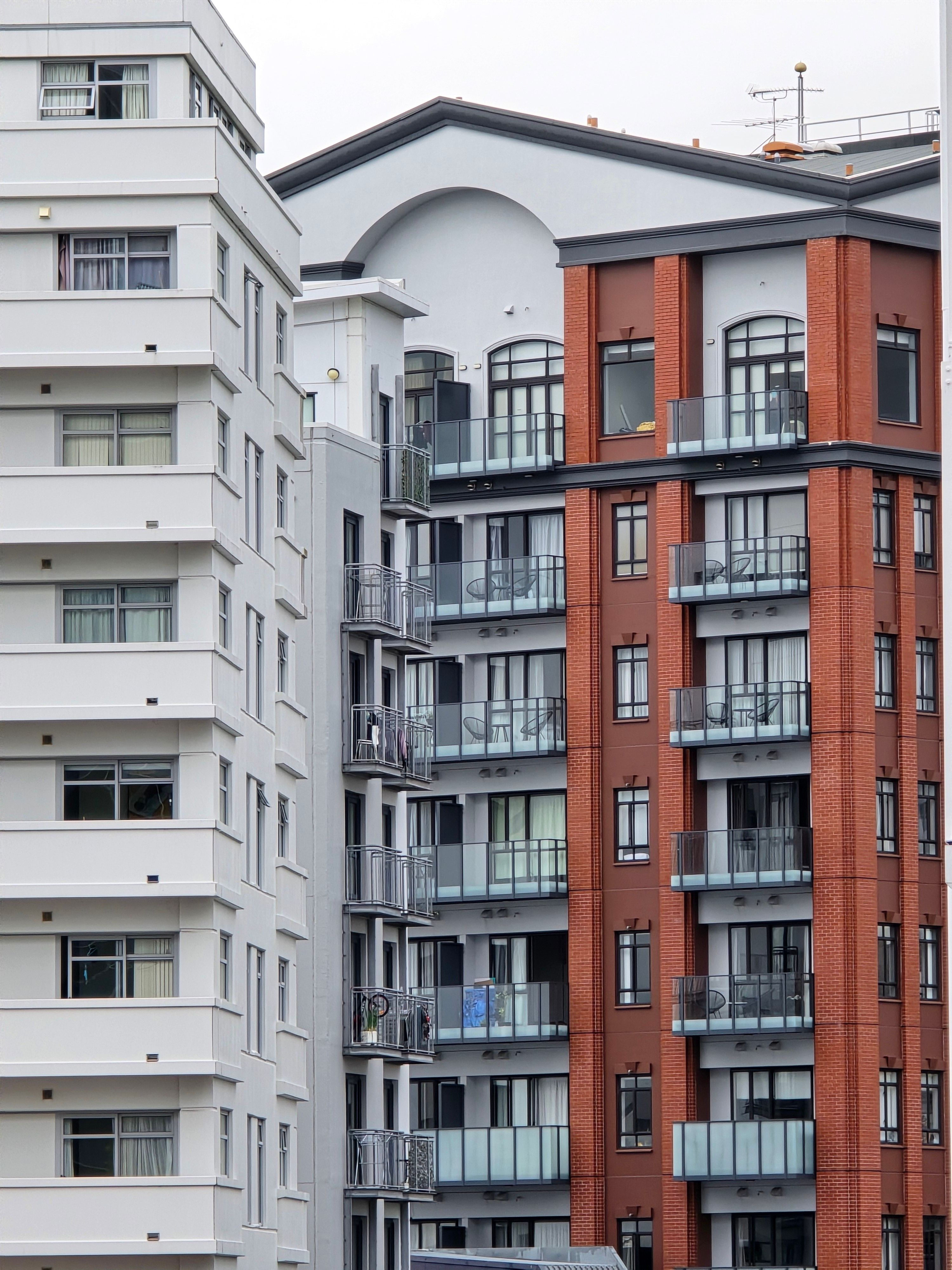
The institutional residential landscape has evolved significantly over the past decade. While garden-style communities, mid-rises, and urban high-rise towers have historically anchored institutional multifamily allocations, purpose-built single-family rental communities, known as Build-to-Rent or BTR, have emerged as a formidable asset class. Both strategies provide professionally managed rental housing, yet their financial underwriting, day-to-day operational execution, and long-term net operating income profiles differ substantially. For real estate investors, asset managers, and property operators, understanding these structural nuances is critical when allocating capital and optimizing portfolio yields.
At BoostNOI, we focus on identifying operational friction points and uncovering untapped revenue potential across commercial residential real estate. Deciding whether to allocate capital toward horizontal single-family subdivisions or vertical apartment buildings requires looking beyond headline rent growth. It demands a rigorous evaluation of density advantages, vacancy concentration, recurring capital expenditures, resident retention patterns, and exit liquidity across varying market cycles.
Understanding the Structural Differences Between BTR and Multifamily
To evaluate performance accurately, one must first recognize how the physical layout dictates capital efficiency. Traditional multifamily housing concentrates multiple residential units within a single structure or across several multi-unit buildings situated on a shared footprint. Units share foundational infrastructure, including common exterior walls, central plumbing stacks, continuous rooflines, and shared utility feeds. This density maximizes rentable square footage per acre and optimizes land acquisition costs.
In contrast, Build-to-Rent communities consist of detached single-family homes, duplexes, or attached townhomes arranged in horizontal neighborhoods. Each dwelling operates with standalone residential systems, private yards, separate driveways, individual garages, and distinct roof planes. While BTR communities often incorporate centralized amenities such as clubhouses, resort-style pools, dog parks, and walking trails, the physical footprint remains widely dispersed across significantly larger land parcels.
This fundamental distinction in site configuration ripples through every phase of property operations. In traditional apartments, economies of scale are realized vertically. In BTR developments, scale is pursued horizontally, introducing unique logistical dynamics to routine asset management, maintenance triage, and site-level staffing.
Operational Dynamics: Cost per Door, Staffing, and Maintenance
Operational execution determines whether projected pro forma yields translate into realized distributions. Analyzing how these two formats diverge in operating expenses reveals clear trade-offs between physical concentration and asset autonomy.
Maintenance Efficiency and Travel Times
In high-density multifamily properties, maintenance technicians operate within a consolidated envelope. A single service technician can address multiple work orders, ranging from HVAC filter replacements to minor plumbing repairs, by traveling between floors via elevator or stairs. The physical proximity of units allows for swift triage, centralized staging of spare parts, and minimal unproductive transit time during the workday.
Build-to-Rent operations introduce suburban transit dynamics into the daily maintenance schedule. Technicians must navigate sprawling suburban streetscapes using utility carts or service trucks to service individual detached residences. When an operator manages 150 BTR doors spread across 30 acres, physical distance reduces the total volume of service tickets an individual technician can close per shift. Consequently, property management teams must adopt higher technician-to-door staffing ratios or deploy advanced route-optimization scheduling to prevent operating costs from ballooning.
Exterior Grounds and Landscaping Upkeep
Multifamily assets centralize outdoor maintenance within courtyard areas, designated pet parks, and perimeter landscaping beds. These areas are typically maintained through fixed-scope commercial landscaping contracts that benefit from concentrated site plans. Snow removal, irrigation management, and facade cleaning remain strictly controlled by site staff with minimal resident intervention.
Build-to-Rent properties encompass extensive turf coverage, individual private yards, multiple miles of sidewalks, and extensive drainage infrastructure. Operators must decide whether private backyards are maintained by property staff or delegated to residents. Most institutional operators incorporate private yard care into amenity fee structures or baseline rent to maintain neighborhood aesthetic consistency. While this provides an auxiliary revenue stream, it increases baseline contract pricing and vendor oversight requirements.
Building Systems and Capital Lifecycle
Physical separation directly impacts major component lifecycles and ongoing capital expenditure reserves. In a 200-unit multifamily building, central boilers, commercial chillers, or centralized roofing systems serve dozens or hundreds of families simultaneously. When a major central component fails, the capital replacement is substantial, but capital outlays per door remain highly optimized.
Conversely, a 200-home BTR development requires 200 separate residential condensing units, 200 individual water heaters, 200 distinct roof assemblies, and hundreds of linear feet of individual utility lateral lines. While the failure of one water heater in a BTR home affects only one household, eliminating building-wide emergencies, the cumulative cost of replacing fragmented residential equipment over a ten-year cycle demands meticulous reserve planning and proactive warranty tracking.
Resident Profiles, Lease Lengths, and Retention Drivers
A property's revenue stability is fundamentally linked to who lives there, why they chose the community, and how long they intend to stay. Resident behavioral differences between BTR and multifamily create distinct net effective rent dynamics.
Multifamily: Mobility, Urban Convenience, and Faster Turns
Traditional apartments predominantly attract early-career professionals, single occupants, roommates, and downsizing empty nesters seeking proximity to primary employment hubs, dining corridors, and transit nodes. These residents prioritize convenience, walkability, shared social spaces, and flexibility. Because mobility is a primary motivator, multifamily tenant pools exhibit higher annual turnover rates, frequently averaging between 45 and 55 percent per year.
Higher turnover demands active leasing teams, steady marketing expenditures, and efficient unit turn execution. Each resident departure incurs paint touch-ups, deep cleaning, carpet replacement, and potential downtime vacancy. In high-density settings, however, standardized floor plans allow property teams to execute swift unit turnovers within three to five business days, re-leasing spaces quickly when submarket demand remains healthy.
Build-to-Rent: Household Stability and Extended Tenure
Build-to-Rent residents typically represent a more mature demographic profile, including young growing families, pet owners requiring enclosed outdoor yards, remote professionals demanding multi-bedroom home offices, and mature retirees desiring single-level living without maintenance burdens. Many BTR renters have been priced out of the entry-level for-sale housing market due to elevated mortgage rates and limited existing-home inventory, yet they still desire a private residential lifestyle.
Because BTR residents integrate deeply into suburban neighborhoods, enroll children in local school districts, and furnish full homes, their moving friction is substantially higher. Annual turnover rates in well-managed BTR assets consistently trend lower than traditional multifamily, with average lease tenures often exceeding two to three years. This extended residency reduces cumulative turnover costs, dampens vacancy friction, and provides dependable cash flow predictability.
Underwriting and Investment Metrics: Scale, Basis, and Yield
From an investment committee perspective, underwriting BTR versus traditional multifamily requires evaluating capital efficiency against yield expectations and exit horizons.
Cost Basis and Land Development Realities
Multifamily developments often face high per-acre land costs and intensive entitlement hurdles within infill or high-density suburban submarkets. Vertical construction involves concrete podiums, structural steel, fire suppression systems, and structured parking garages, resulting in high hard costs per square foot. However, density yields a substantial door count per developed acre, offsetting aggregate land acquisition expenses across a wide tenant base.
Build-to-Rent construction mirrors residential homebuilding, leveraging timber framing, standard residential trades, and surface parking. While vertical hard construction costs per square foot can be lower than mid-rise apartments, horizontal site development costs are significant. Grading, municipal utility main extensions, extensive asphalt paving, and stormwater management across sprawling acreage increase upfront civil infrastructure expenses. Investors must evaluate raw land basis and municipal impact fees carefully to prevent horizontal site work from eroding targeted returns.
Operating Leverage and Margin Structures
Operating margins across mature multifamily assets typically range between 55 and 65 percent, bolstered by dense staffing models, shared building systems, and centralized vendor contracts. Fixed costs are distributed across large door counts, creating strong operational leverage as effective rents rise. When an operator increases rent across 300 apartment units, nearly all incremental gross revenue flows directly to net operating income.
Build-to-Rent operating margins often face downward pressure from property tax structures, insurance premiums on detached wood-frame structures, and horizontal groundskeeping expenses. To achieve operational leverage comparable to vertical multifamily, BTR operators must deploy centralized technology platforms, self-guided touring hardware, digital resident portals, and regional vendor networks that manage clusters of horizontal communities under unified administrative umbrellas.
Financing Liquidity and Secondary Markets
Multifamily real estate benefits from one of the deepest, most liquid capital markets in commercial real estate. Agency lenders such as Fannie Mae and Freddie Mac, alongside life insurance companies, commercial banks, and CMBS conduits, provide aggressive, non-recourse debt financing with standardized underwriting criteria. This extensive financing ecosystem supports robust transaction volume across all market environments.
The financing market for Build-to-Rent has matured rapidly, with government-sponsored enterprises and institutional debt funds providing dedicated programmatic credit facilities. However, debt execution for BTR remains more nuanced than traditional apartments. Appraisers must navigate the interplay between commercial income capitalization methodologies and single-family residential sales comparables. At exit, while multifamily assets are sold primarily to institutional funds and private equity buyers based on stabilized capitalization rates, BTR operators hold an alternative disposition strategy: selling individual parcels into the retail for-sale market if housing supply imbalances create superior individual pricing.
Strategic Portfolio Optimization for Real Estate Investors
Choosing between Build-to-Rent and traditional multifamily investments is not a binary decision where one model universally outperforms the other. Rather, each structure fulfills specific strategic mandates within a diversified real estate portfolio.
Investors prioritizing immediate physical density, maximum operational leverage, established capital liquidity, and centralized management should continue to anchor their portfolios in core-plus and value-add multifamily communities. The capacity to execute interior unit renovations, capture ancillary utility reimbursements, and implement centralized property management tech makes traditional apartments a dependable vehicle for driving net operating income expansion.
Conversely, capital allocators seeking long-term tenant stability, demographic insulation against homeownership affordability barriers, and lower annual turnover friction will find compelling risk-adjusted opportunities in purpose-built rental communities. Maximizing yields in BTR requires an operator experienced in horizontal logistics, disciplined maintenance management, and structured ancillary revenue programs.
Conclusion
The convergence of homeownership affordability challenges and shifting demographic preferences ensures that both Build-to-Rent communities and traditional multifamily apartments will remain essential pillars of residential real estate investing. While multifamily offers unmatched density, operating leverage, and capital market liquidity, Build-to-Rent provides extended resident tenure, lower turnover friction, and tailored suburban lifestyle appeal.
Long-term investment success in either asset class depends on rigorous operational execution. Operators who master expense containment, leverage modern property technology, and actively optimize ancillary income will successfully maximize net operating income and protect capital across any economic cycle.
