
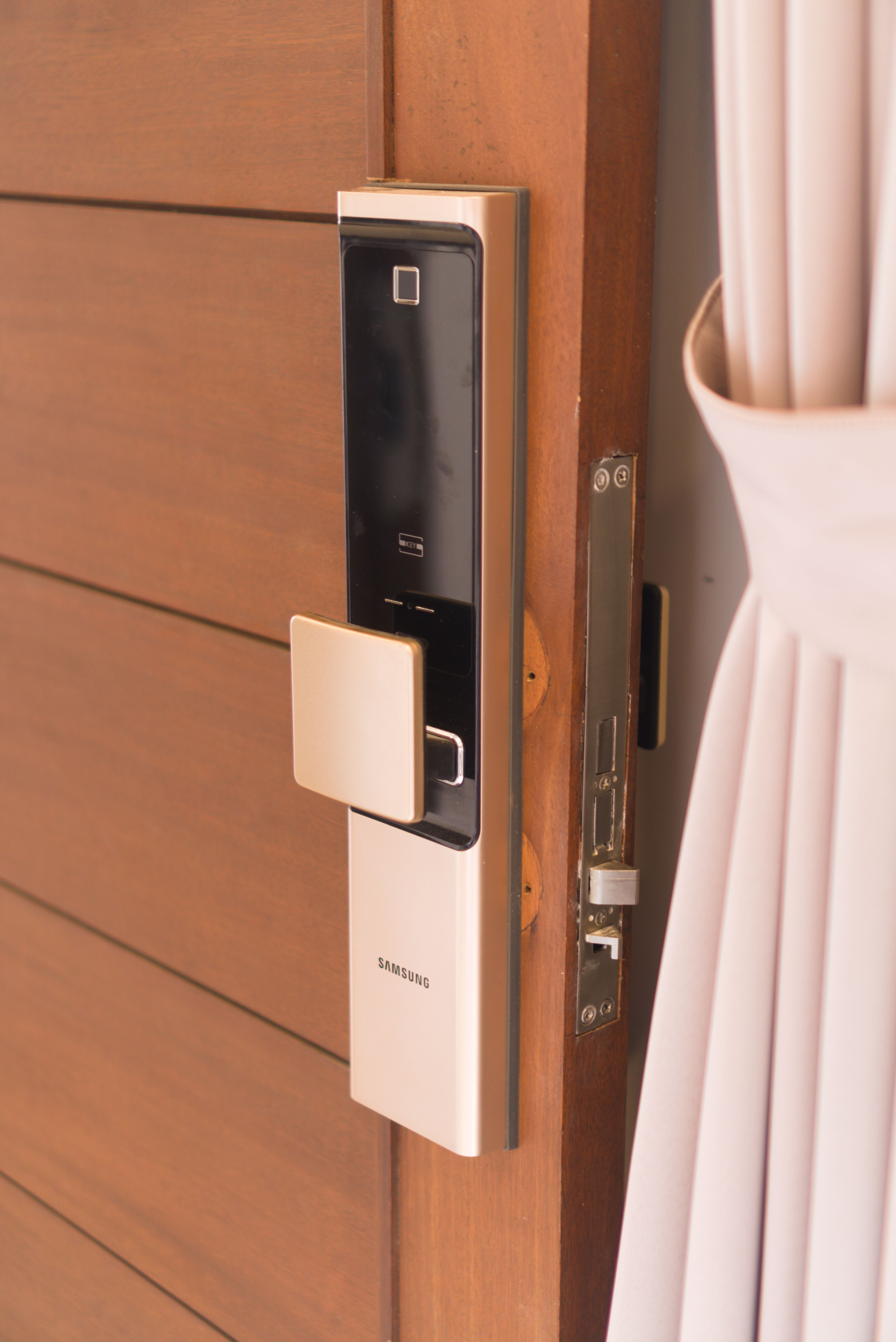
Managing physical keys across a multifamily apartment building is an expensive, labor-intensive liability that drains onsite maintenance hours and introduces avoidable security risks. Every time a resident moves out, loses a brass key, or locks themselves out after hours, property staff must spend valuable time rekeying cylinders, cutting duplicates, or dispatching emergency maintenance technicians. Across a two-hundred-unit community, manual key management quietly consumes hundreds of payroll hours every year while leaving ownership exposed if former residents or contractors retain unreturned keys.
Upgrading to smart locks for apartment buildings transforms building access from a manual administrative burden into an automated, software-driven asset. Modern multifamily access control systems integrate directly with your property management software to issue temporary digital credentials automatically upon lease signing, revoke access immediately at move-out, and enable secure self-guided tours for prospective renters. Understanding the true hardware costs, connectivity protocols, and enterprise features available today enables owners and asset managers to select an access solution that delivers measurable net operating income growth.
Understanding the True Cost of Apartment Smart Lock Deployments
Budgeting accurately for a multifamily smart lock retrofit or new construction installation requires evaluating three distinct cost categories: door hardware, installation labor, and ongoing software management fees. Focusing solely on the unit price of a smart deadbolt often leads to budget overruns once perimeter readers, networking gateways, and licensing subscriptions are factored into the capital expenditure plan.
Hardware Pricing Tiers Across Unit Doors and Common Areas
Commercial-grade smart locks engineered for multifamily durability differ substantially from consumer retail smart locks sold at home improvement stores. Multifamily unit locks must withstand thousands of daily cycles, comply with fire-rated door assembly codes, and maintain reliable operation even during internet or power outages. Depending on the lock form factor, such as cylindrical deadbolts, interconnected levers, or mortise locksets, commercial hardware typically ranges from two hundred fifty dollars to six hundred fifty dollars per apartment door.
In addition to individual unit doors, a comprehensive building deployment requires smart access readers at exterior perimeter entrances, elevators, fitness centers, package rooms, and amenity spaces. Hardwired wall readers and elevator controllers generally cost between eight hundred dollars and two thousand five hundred dollars per access point, depending on door hardware complexity and low-voltage wiring requirements.
Installation Labor and Ongoing Software Licensing Fees
Installation costs vary based on whether the property is a ground-up development or an existing retrofit requiring door prep modifications. Swapping standard deadbolts on prepped doors typically costs between fifty dollars and one hundred twenty dollars per unit for certified low-voltage integrators, whereas mortise retrofits or steel frame adjustments can push labor costs higher.
On the operating expense side, cloud-based access management platforms charge recurring software licensing fees ranging from two dollars to six dollars per unit per month. While this recurring line item impacts operating budgets, owners frequently offset the entire subscription cost by charging a modest monthly smart home technology amenity fee of fifteen to thirty-five dollars per resident, generating immediate positive cash flow.
Core Operational and Financial Benefits for Multifamily Owners
When evaluated through an asset management lens, smart access control delivers both direct expense reductions and top-line revenue enhancements across the entire resident lifecycle.
Eliminating Rekeying Costs and Streamlining Unit Turns
During peak summer turnover months, maintenance teams face intense pressure to complete apartment turns rapidly so new residents can move in without delay. Smart locks eliminate the physical rekeying bottleneck entirely. Instead of removing cylinders and tracking brass keys for painters, carpet cleaners, and appliance technicians, property managers issue time-bound PIN codes or mobile credentials to each vendor directly from a central dashboard.
Once turn work is complete and the new lease begins, vendor codes expire automatically and the incoming resident receives their digital key on their smartphone. Eliminating physical lock changes saves roughly seventy-five to one hundred fifty dollars per turnover event while giving leadership a complete digital audit trail of everyone who entered a vacant apartment.
Enabling Safe Self-Guided Tours and Faster Leasing Velocity
Today's apartment shoppers increasingly value the flexibility to tour available units on their own schedule, including early mornings, evenings, and weekends when leasing offices are closed. Smart locks paired with identity verification software allow prospective renters to book a self-guided tour online, verify their government identification, and receive a temporary access code valid only for their scheduled tour window and specific model unit.
Properties offering self-guided tours capture prospects who would otherwise never visit during traditional office hours, accelerating lease-up timelines and reducing average days vacant across the portfolio.
Enhancing Resident Retention and Ancillary Revenue
Keyless entry consistently ranks among the highest-valued smart apartment amenities in resident satisfaction surveys. Residents appreciate unlocking doors via smartphone apps, Apple Wallet or Google Wallet credentials, or personalized keypads without worrying about carrying physical keys while exercising or walking pets. Furthermore, residents can generate temporary guest passes for dog walkers, housekeepers, or visiting family members directly within their resident app, creating a sticky modern living experience that encourages lease renewals.
Essential Smart Lock Features to Compare Before Buying
Selecting the right hardware and software ecosystem requires looking closely at technical reliability, battery maintenance, and integration architecture.
Connectivity Protocols: Wi-Fi, Bluetooth, Z-Wave, and Thread
Connectivity architecture directly impacts both battery life and infrastructure complexity. Pure Wi-Fi smart locks connect directly to building wireless networks without dedicated hubs, but high power draw often requires battery replacements every four to six months. By contrast, locks utilizing Bluetooth Low Energy, Z-Wave, Zigbee, or Thread protocols operate on ultra-low power, extending AA battery life to eighteen or twenty-four months while communicating through hallway gateways or smart thermostats.
Operators should also confirm that locks store credential permissions locally on the device so residents can still unlock their doors via Bluetooth or keypad PIN even if the building's internet connection drops temporarily.
Seamless Property Management System Synchronization
The highest-value smart lock deployments operate invisibly in the background through bidirectional integration with Yardi, RealPage, Entrata, AppFolio, or ResMan. When a leasing agent approves an applicant in the property management system, the access platform should automatically provision credentials for the unit door and relevant amenity zones. Conversely, when a lease expires or an eviction is processed, access permissions must revoke automatically without requiring manual entry in a separate dashboard.
Fire Rating Compliance and Physical Key Overrides
Multifamily corridor doors are typically subject to strict municipal fire codes requiring UL-listed twenty-minute to ninety-minute fire-rated hardware, as well as single-motion egress so residents can exit rapidly in an emergency without turning separate deadbolts and levers. Operators must verify that every specified lock model carries appropriate commercial fire certifications and includes a concealed mechanical key override or emergency jump-start port so maintenance staff can always gain entry if batteries are neglected.
Evaluating Leading Multifamily Smart Access Providers
Several specialized manufacturers dominate the multifamily smart access space, each offering distinct hardware and software strengths. Platforms such as Salto, Schlage, Latch, and SmartRent provide comprehensive enterprise ecosystems tailored to mid-rise, high-rise, and garden-style communities. Exploring verified hardware profiles, integration lists, and operator reviews on BoostNOI enables asset managers to compare lock specifications and deployment models side by side before requesting site audits.
Conclusion
Smart locks for apartment buildings represent one of the highest-return capital upgrades available to multifamily owners and operators today. By eliminating physical rekeying expenses, accelerating unit turns, enabling secure self-guided tours, and supporting profitable smart home amenity packages, modern access control strengthens both resident satisfaction and net operating income. Property leaders planning a portfolio-wide access upgrade can visit BoostNOI to compare certified smart lock vendors, verify PMS integrations, and connect with trusted installation partners.