
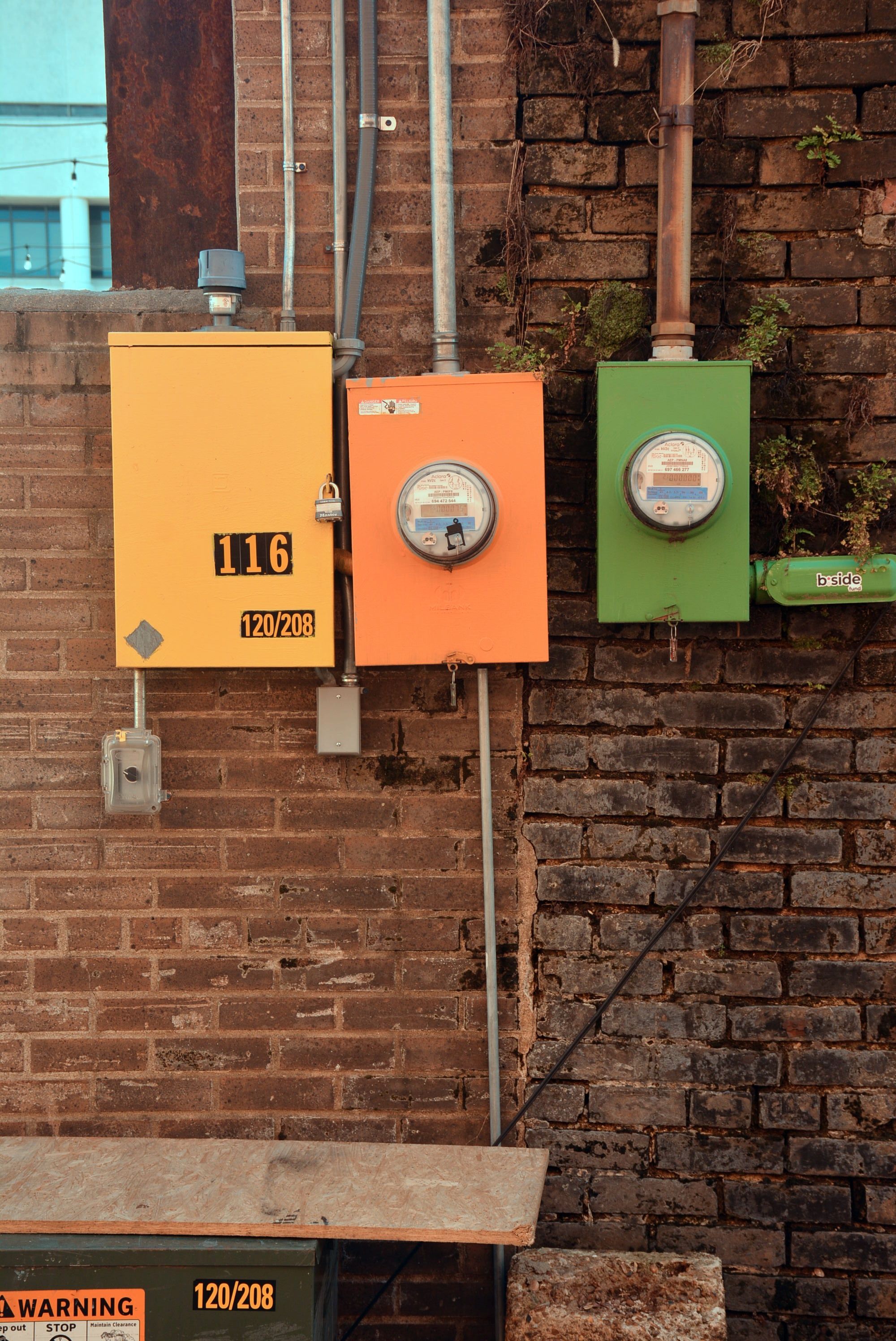
Rising municipal water, sewer, gas, and electricity tariffs have become one of the most persistent headwinds facing multifamily property owners. Across nearly every major metropolitan market, master-metered utility bills have outpaced general inflation over the past several years, steadily compressing operating margins even in communities with strong occupancy and healthy rent growth. When utility expenses remain entirely absorbed by ownership as a fixed operating cost, every rate hike approved by local water authorities or power providers flows straight to the bottom line as a permanent reduction in Net Operating Income.
Implementing a structured multifamily utility expense recovery program transforms unpredictable utility overhead into a transparent, manageable component of property operations. By shifting away from all-inclusive rent models toward fair, transparent resident billing through either a Ratio Utility Billing System or physical submetering, owners can stabilize expense ratios, encourage meaningful resource conservation, and unlock substantial asset appreciation. At BoostNOI, we help operators evaluate the financial mechanics, upfront capital requirements, and regulatory frameworks that determine which recovery model fits each property best.
The Financial Case for Multifamily Utility Expense Recovery
In multifamily real estate valuation, every dollar of recurring operating expense reduction carries amplified significance because properties are valued using capitalization rates. If a two-hundred-unit apartment community recovers forty-five dollars per unit per month in water, sewer, and trash expenses, that single operational change generates one hundred eight thousand dollars in annual Net Operating Income. At a five-and-a-half percent capitalization rate, that recurring expense recovery translates into nearly two million dollars in additional property valuation.
Beyond direct cash flow recovery, separating utility charges from base rent enhances leasing competitiveness. When an owner bundles utilities into base rent, advertised asking rents appear higher on internet listing services compared to neighboring communities that bill utilities separately. Unbundling utilities allows properties to advertise market-aligned base rents while transparently disclosing utility reimbursement policies during the leasing tour, protecting both occupancy velocity and operating margins. In competitive submarkets where prospective renters filter online search results strictly by base monthly rent, unbundled pricing keeps your community visible to qualified leads without sacrificing total revenue per occupied unit.
Understanding Ratio Utility Billing Systems (RUBS)
A Ratio Utility Billing System, commonly referred to as RUBS, provides a practical, low-capital method for allocating master-metered utility bills among residents without installing individual meters inside every apartment home. Under a RUBS program, the property receives the master municipal utility bill, deducts a reasonable common-area allowance for leasing offices, clubhouses, pools, and irrigation, and distributes the remaining balance across occupied units using an objective allocation formula.
How RUBS Allocation Formulas Work
Selecting the right allocation methodology ensures fairness for residents and defensibility for ownership. Most multifamily operators rely on square footage, occupant count, bedroom count, or a weighted combination of square footage and occupancy. For example, electricity and gas expenses tied closely to heating and cooling are typically weighted heavily toward unit square footage, whereas water and sewer consumption correlates more closely with the number of occupants living in the apartment. Clearly documenting the exact allocation formula inside every lease addendum establishes transparency and minimizes resident billing disputes.
Advantages and Limitations of RUBS
The primary appeal of RUBS lies in its speed of deployment and minimal upfront capital expenditure. Because no plumbing retrofits or wireless hardware installations are required, an operator can roll out a RUBS program across a stabilized property within sixty to ninety days as leases renew or new residents move in. However, because RUBS calculates charges based on property-wide averages rather than individual household consumption, residents do not receive direct financial feedback when they fix a running toilet or shorten daily showers. Additionally, several states and municipalities impose specific caps or prohibitions on RUBS formulas for water and electricity, requiring careful legal review prior to launch.
How Physical Submetering Drives Deeper Conservation and Recovery
Physical submetering involves installing dedicated, individual meters on the water, gas, or electrical lines feeding each apartment unit. Modern wireless submetering systems utilize automated meter reading transceivers that capture hourly or daily usage data and transmit readings directly to a central gateway, eliminating the need for maintenance staff to enter apartments manually each month. Because readings flow automatically into billing software, accounting teams avoid manual transcription errors and generate accurate statements within days of receiving the master utility invoice.
The Conservation Effect on Master Utility Bills
Unlike RUBS, submetering creates a direct financial link between a household's daily consumption habits and its monthly utility statement. Industry studies consistently demonstrate that when residents pay strictly for their own measured water and energy usage, property-wide consumption drops by fifteen to thirty percent within the first year. That conservation dividend lowers the master municipal bill itself, reduces strain on aging plumbing and HVAC infrastructure, and supports institutional sustainability and ESG reporting targets.
Leak Detection and Preventative Maintenance Benefits
Smart wireless submeters double as continuous operational diagnostic tools. When a submeter registers uninterrupted water flow at three o'clock in the morning, automated software alerts the maintenance team to a silently running flapper valve or pinhole pipe leak before it wastes thousands of gallons of water or causes costly drywall damage in downstairs units. Catching silent leaks early frequently saves thousands of dollars in emergency water bills and structural repairs every year, transforming utility hardware into an active asset protection system.
Capital Expenditure and Payback Horizons
The main barrier to submetering older garden-style or high-rise properties is upfront installation cost. Retrofitting individual water submeters in properties built with stacked plumbing risers, where a single vertical pipe feeds bathrooms across multiple floors, can require multiple meters per apartment and significant drywall access. Owners must weigh equipment and plumbing labor costs against projected recovery revenue, though most submetering retrofits still achieve full capital payback within eighteen to thirty-six months.
Comparing RUBS and Submetering Across Key Operational Factors
Deciding between RUBS and submetering rarely follows a one-size-fits-all rule. Property age, plumbing configuration, local utility tariff structures, and hold-period strategy all influence which approach delivers superior risk-adjusted returns. Conducting a property-level feasibility audit before committing capital ensures your team deploys the highest-yielding recovery mechanism on every asset.
Evaluating Property Infrastructure and Plumbing Layouts
Properties constructed with single-point-of-entry plumbing manifolds allow a single water submeter to measure an entire apartment's cold and hot water consumption, making submetering highly economical. Conversely, older properties with multi-riser plumbing layouts often favor RUBS for water and sewer recovery, while electrical panels frequently support cost-effective submetering regardless of building age. Hybrid approaches are also common, where an operator submeters electricity while applying RUBS to water, sewer, and valet trash.
Aligning Recovery Strategy With Asset Hold Period
Value-add investors planning a three-year hold before disposition often favor RUBS because it captures immediate Net Operating Income growth without tying up substantial capital reserves in hardware retrofits. Long-term institutional owners planning to hold assets for seven to ten years frequently prefer submetering, as the combination of higher allowable recovery percentages, lower master consumption, and automated leak detection compounds financial returns over time.
Navigating Regulatory Compliance and Resident Communication
Utility billing in multifamily housing sits at the intersection of landlord-tenant law, public utility commission rules, and municipal consumer protection ordinances. Failing to follow local billing regulations can expose ownership to costly resident refunds, statutory penalties, and regulatory audits. Partnering with experienced billing administrators and legal counsel keeps your recovery program compliant as local rules evolve.
State and Municipal Utility Billing Rules
Before launching any recovery program, verify local rules governing administrative billing fees, late fee caps, common-area deduction percentages, and submeter certification standards. Many jurisdictions require submeters to meet National Institute of Standards and Technology accuracy tolerances and mandate specific disclosures on monthly resident statements showing meter read dates, previous and current readings, and applicable tariff rates. Maintaining detailed audit trails of master utility invoices and allocation calculations protects ownership in the event of a resident inquiry or municipal review.
Building Resident Trust Through Clear Onboarding
The smoothest utility recovery rollouts prioritize proactive resident education. Introducing utility billing strictly upon new lease signings and lease renewals avoids mid-lease friction and respects existing contractual terms. Provide residents with clear welcome guides explaining how bills are calculated, offer practical tips for conserving water and electricity at home, and ensure your billing platform provides itemized, easy-to-read monthly statements integrated directly into the resident payment portal so households can pay rent and utilities in a single transaction.
Conclusion
Multifamily utility expense recovery is no longer an optional optimization tactic; it is an essential pillar of disciplined asset management. Whether a property deploys a well-structured Ratio Utility Billing System for rapid, low-capital cost recovery or invests in smart wireless submetering to capture deeper conservation and leak-detection savings, shifting utility costs out of fixed overhead protects operating margins against relentless tariff increases. By matching the right recovery methodology to building infrastructure, regulatory rules, and investment timelines, property operators can consistently strengthen cash flow and maximize long-term portfolio value.
