
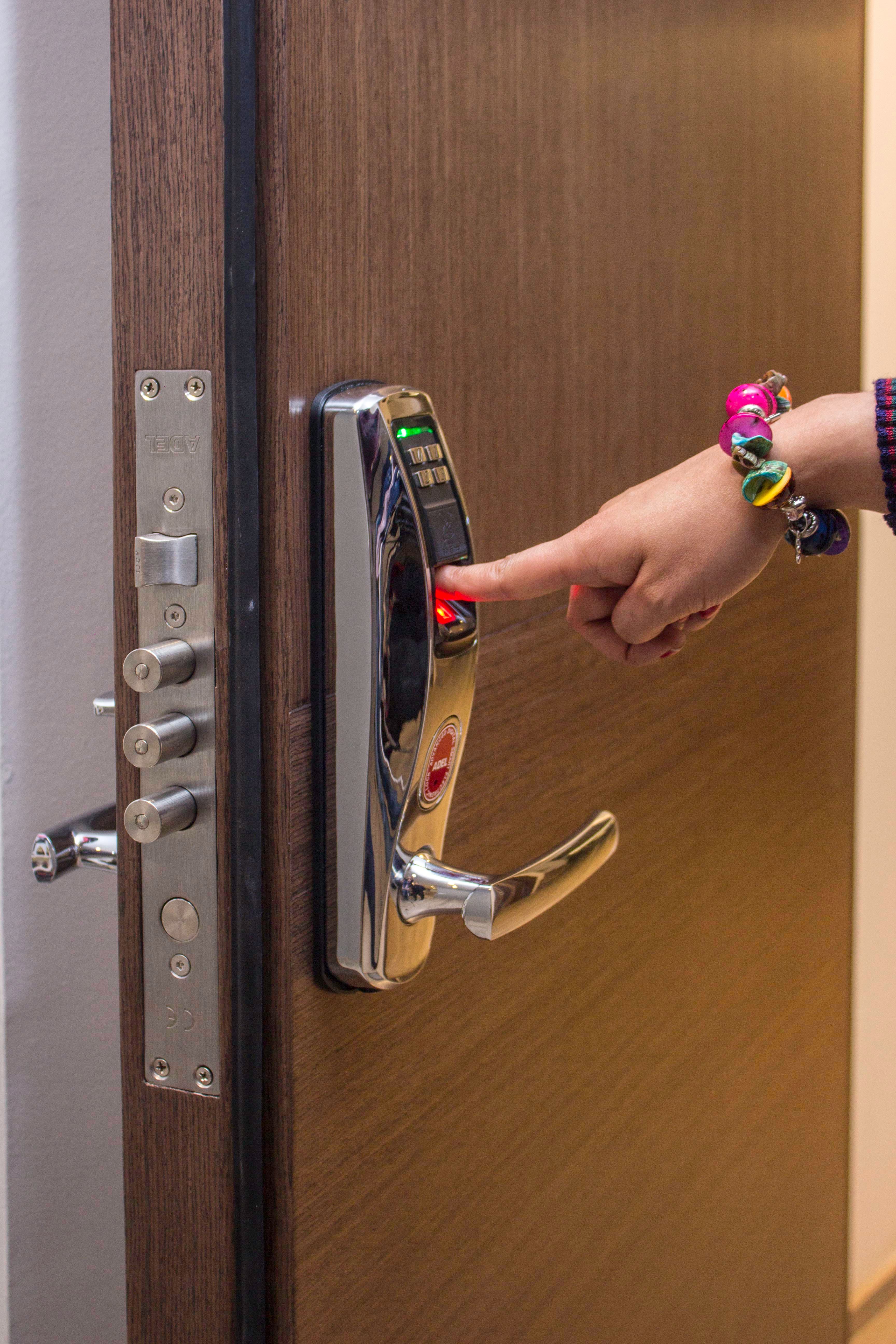
The Operational Bottleneck of Physical Keys in Multifamily Operations
Physical brass keys have been a fundamental security mechanism in residential property management for generations. However, managing physical keys across large multifamily communities introduces severe operational friction and ongoing financial expense. Key tracking boards, physical lock rekeying during unit turnovers, master key security risks, and emergency after-hours lockouts require continuous staff labor and create significant security vulnerabilities for property owners.
When physical keys are misplaced or compromised, rekeying entire building sections becomes an expensive mandatory procedure. Furthermore, physical keys provide zero operational visibility into vendor access, maintenance entry logs, or amenity usage. Transitioning from traditional mechanical locks to smart, connected access control systems is transforming physical property security from an administrative headache into a high-ROI operational asset.
Streamlining Onsite Operations with Keyless Credentialing
Smart access control replaces physical keys with mobile credentials, encrypted keypads, and temporary digital access codes. This technological transition delivers immediate efficiency gains for property management staff. Leasing agents and maintenance technicians no longer spend hours hunting down physical keys in the leasing office or driving across large properties to unlock storage areas and mechanical rooms.
Credential management occurs instantly through a centralized web dashboard. When a new lease is signed, digital mobile access credentials are generated automatically and sent to the resident's mobile phone, granting precise access to perimeter doors, elevators, unit doors, and common amenities. When a resident moves out, access permissions expire automatically, eliminating rekeying expenses entirely.
Facilitating Unaccompanied Self-Guided Tours
Keyless access control unlocks self-guided touring capabilities for prospective residents. Prospects can request access online, complete identity verification, and receive temporary digital access codes to view vacant units at their convenience, including during evening or weekend hours. Self-guided tours expand leasing reach, accelerate lead conversion, and free leasing teams to handle negotiations and tenant onboarding.
Enhancing Vendor Management and Maintenance Access
Managing third-party vendors and maintenance contractors is an ongoing operational task. Traditional key management requires staff members to meet vendors onsite, manually issue physical keys, and log entries on sign-out sheets. Smart access control simplifies this entire workflow by enabling property managers to issue time-restricted, single-use digital access codes directly to vendor mobile devices.
Digital access credentials generate immutable digital audit trails. Property managers can review precise timestamps showing when vendors entered and exited specific units or maintenance facilities. This detailed access logging improves contractor accountability, streamlines work order verification, and enhances overall resident safety across the property.
Automating Package Delivery and Common Area Security
E-commerce deliveries continue to overwhelm leasing offices with package management. Smart access systems allow delivery drivers to receive secure, temporary access to designated package rooms or building foyers. Secure delivery access protects resident packages from theft, prevents lobby clutter, and eliminates the time leasing staff spend sorting parcel inventory.
Quantifying the NOI Impact of Smart Access Control
Smart access control systems generate measurable financial returns that directly expand Net Operating Income. Cost savings are realized immediately through the elimination of locksmith fees, physical key replacement hardware, and staff labor devoted to key tracking. Additionally, lowering turnover rekeying expenses contributes thousands of dollars in annual operating savings across a medium-sized portfolio.
On the revenue side, residents view smart keyless access as a highly desirable premium amenity. Multifamily properties equipped with keyless entry systems consistently command higher monthly rental premiums compared to legacy properties. Combining operational cost reductions with premium rent uplift creates rapid payback periods and long-term asset value growth.
Conclusion
Smart access control is reshaping property operations by eliminating physical key management, enabling self-guided tours, and improving security auditing. By adopting keyless entry technology, property operators lower turnover costs, streamline vendor access, and capture premium rental revenue. Upgrade your building security and operational efficiency by evaluating smart access control solutions today.
