
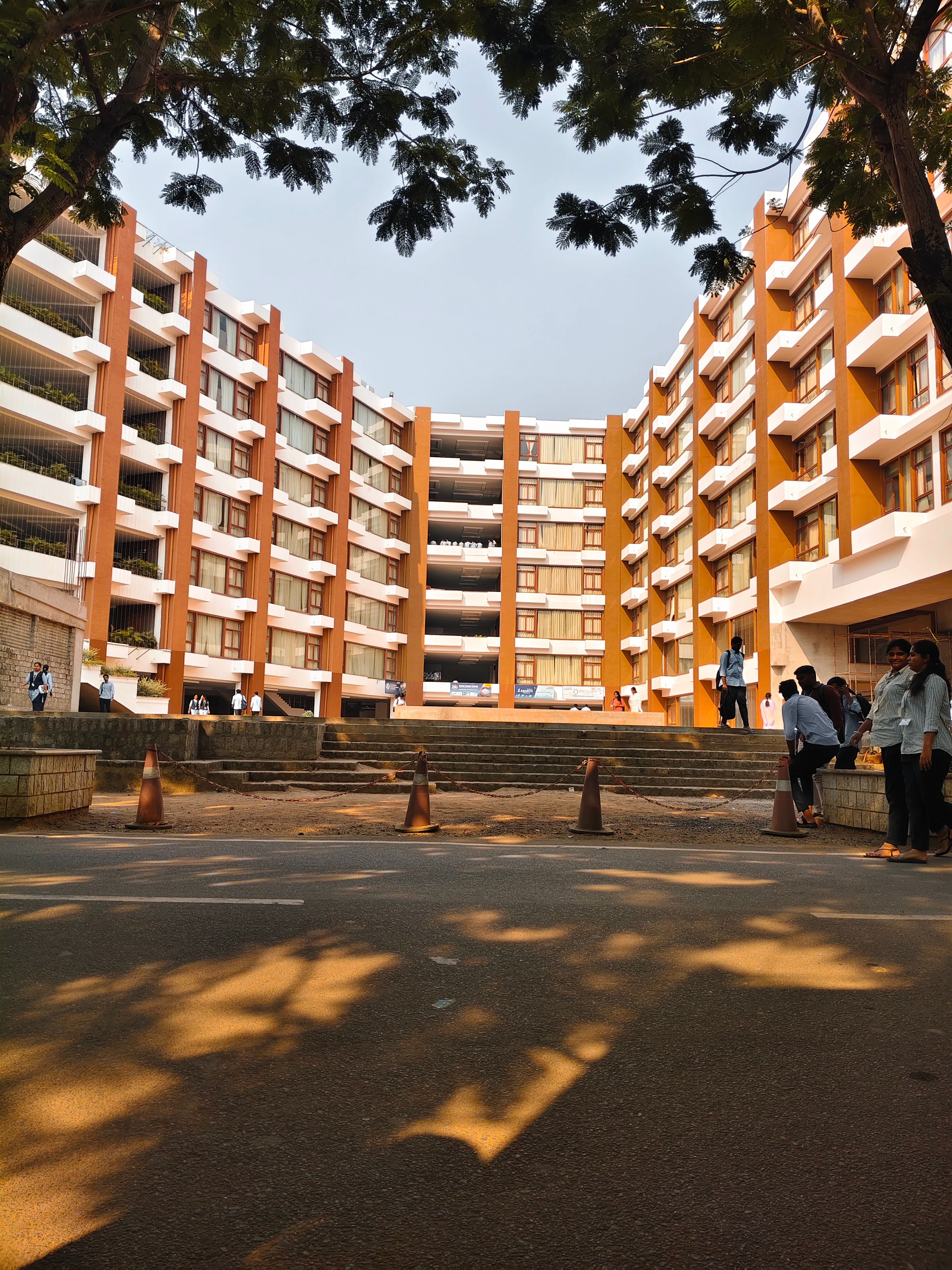
Purpose-built student housing operates on an academic calendar that magnifies every operational bottleneck. Unlike conventional multifamily communities where move-ins and expirations distribute evenly across twelve months, student housing operators must lease hundreds or thousands of beds simultaneously, pair compatible roommates, process parental guarantors, and turn entire buildings within a compressed two-week window every August. Relying on conventional apartment software for these specialized workflows creates costly friction, manual spreadsheet workarounds, and missed leasing velocity.
Modern student housing technology addresses these structural demands through specialized platforms built around by-the-bed accounting, automated roommate matching, mobile move-in orchestration, and campus-specific resident engagement. Operators and asset managers evaluating new software stacks on PropTech comparison platforms like BoostNOI can gain a decisive competitive advantage by selecting tools tailored specifically to student housing lifecycles.
Why Purpose-Built Software Is Essential for Student Housing
Attempting to manage a student community on conventional unit-based property management software forces site teams into constant administrative contortions. In a four-bedroom, four-bathroom floor plan, four separate residents hold individual leases, pay distinct rental rates based on when they signed, carry separate guarantor agreements, and share liability for common-area damages. Standard multifamily systems designed around single joint-and-several household leases struggle to track individual ledger balances and bed-level availability accurately.
Parents and financial guarantors also play an active customer role in student housing that does not exist in traditional multifamily rentals. Parents routinely review lease contracts, monitor monthly ledger charges, ask detailed questions about building security access, and evaluate responsiveness during move-in week. Purpose-built student portals provide dedicated guarantor visibility and automated payment reminders that build family trust and drastically reduce delinquency rates across the academic year.
Beyond accounting complexity, student demographics bring distinct communication expectations. Gen Z renters rarely answer phone calls or read long email attachments, preferring instant mobile self-service, text messaging, and transparent digital workflows. Software built for student housing aligns operational execution with how students and their parents actually search, sign, pay, and live.
Managing the Academic Leasing Cycle
Student leasing seasons begin nearly ten to eleven months prior to fall occupancy. Early-bird renewal campaigns launch in October, followed by aggressive new-lease velocity through winter and spring. Specialized student housing software tracks pre-leasing velocity week over week against prior academic years, enabling revenue managers to adjust tier pricing dynamically at the bed and floor-plan level before inventory tightens or stalls.
Leasing and Guarantor Automation Platforms
Converting student prospects into signed leases requires eliminating friction for both the student applicant and the financial co-signer. Because most undergraduate students lack independent credit histories or qualifying income, nearly every lease requires a parental guarantor, security deposit alternative, or international student screening pathway.
International student leasing introduces an additional layer of complexity near major research universities. Incoming international applicants often lack United States Social Security numbers or domestic credit histories, causing standard screening tools to reject qualified renters or stall applications in manual review queues. Modern student leasing platforms integrate alternative international credit verification, passport authentication, and institutional surety bond options directly into the online lease flow so teams can secure high-demand international enrollments rapidly.
Digital By-the-Bed Leasing and Guarantor Workflows
Leading student leasing platforms streamline application completion into a unified mobile workflow. Once a student selects a floor plan and submits personal details, the system automatically triggers a mobile invitation to their parent or guarantor to complete credit screening, upload income verification, and execute electronic lease addenda. Real-time status dashboards alert leasing agents if a guarantor stalls mid-application so teams can follow up before the prospect shops competing properties down the street.
AI Leasing Assistants and Omnichannel CRM Tools
Student prospects frequently browse housing options late at night between study sessions and expect immediate answers regarding shuttle routes, utility caps, pet policies, and bedroom dimensions. Omnichannel CRM platforms equipped with conversational AI handle routine inquiries twenty-four hours a day via SMS, web chat, and social messaging while booking self-guided or virtual tours directly onto staff calendars.
These tools also track marketing attribution across campus ambassadors, university housing fairs, social media campaigns, and internet listing services. Marketing directors can see precisely which campus channels produce signed, guarantor-approved leases rather than vanity clicks, allowing them to reallocate promotional dollars toward high-converting sources.
Intelligent Roommate Matching and Space Assignment Software
Roommate conflicts represent one of the leading causes of mid-year transfer requests, bad online reviews, and non-renewals in student housing. Historically, leasing coordinators spent hundreds of hours manually sorting paper preference cards and spreadsheets to pair hundreds of incoming residents across available beds.
Modern roommate matching engines automate this process through lifestyle questionnaires integrated directly into the leasing portal. Prospective residents answer structured questions covering sleep schedules, study habits, cleanliness standards, guest preferences, and smoking or pet tolerances. Matching algorithms generate compatibility scores, allow students to chat and self-select roommates within a secure portal, and automatically assign remaining unmatched beds according to strict property rules such as gender designations and lease term lengths.
When unexpected mid-semester roommate disputes do arise, digital room transfer workflows allow site managers to audit open beds, verify lease rate differentials, calculate transfer fees, and execute roommate release addenda electronically. Maintaining an accurate digital audit trail protects ownership groups from fair housing compliance errors and ensures billing adjustments flow straight to the resident ledger without manual journal entries.
Dynamic Bed Optimization and Gender-Specific Inventory
Unoptimized bed assignments can leave properties with stranded inventory, such as single open bedrooms inside partially filled male or female apartments that cannot be leased to incoming groups of friends. Advanced room assignment software continuously optimizes bed placements to keep full multi-bedroom suites open for group signings while consolidating single-bed placements efficiently.
August Turn Orchestration and Mass Move-In Operations
No operational event tests a student housing team like August turn. Between late July when outgoing leases expire and mid-August when fall classes begin, teams must inspect, paint, clean, repair, and re-key hundreds of bedrooms in roughly fourteen days. A single communication breakdown between inspection teams, painting contractors, cleaners, and maintenance technicians can delay move-ins and trigger costly hotel stipends for displaced students.
Dedicated turn management software replaces clipboards and walkie-talkies with live mobile inspection checklists and vendor progress boards. Inspectors walk units with tablets, snap timestamped photos of damages, automatically generate billable resident chargeback ledgers, and trigger sequential vendor work orders the moment a unit is vacated. Supervisors monitor turn completion percentages by building, floor, and individual bed in real time so labor can be shifted immediately to lagging stacks.
Post-turn quality assurance is equally critical for protecting property reputation during the first week of classes. Leading turn platforms require vendors and maintenance staff to upload completion photos for every checklist item before closing a task, enabling property managers to verify cleanliness, appliance functionality, and furniture placement remotely before handing keys to incoming families.
Staggered Move-In Scheduling and Digital Key Access
When four hundred students and their families arrive at the leasing office at nine in the morning on move-in Saturday, lobby gridlock is guaranteed without digital scheduling. Move-in coordination tools let verified residents reserve specific arrival time slots only after rent, guarantor forms, and renter insurance requirements are satisfied. Paired with mobile smart locks, students can bypass long key-pickup lines entirely and unlock their bedroom doors directly from their smartphones upon arrival.
Resident Experience, Parcel Management, and Utility Billing
Once fall move-in concludes, operational focus shifts toward retention, community engagement, and expense recovery. Student housing communities experience extraordinarily high e-commerce delivery volumes, making automated smart parcel lockers and digital package notifications essential for preventing lobby clutter and staff burnout.
Resident engagement apps also centralize amenity reservations for study rooms and fitness classes, broadcast community event reminders, and simplify split rent payments so students can pay their individual share effortlessly. On the expense side, automated utility billing and sub-metering integrations track electricity and water usage per apartment, calculate monthly utility overages above lease caps, and post charges directly to student ledgers without manual spreadsheet calculations.
Evaluating and Integrating Your Student Housing Tech Stack
Because student housing requires specialized capabilities across leasing, room assignments, turn management, and access control, operators rarely find every best-in-class feature inside a single monolithic software suite. Instead, leading portfolios build integrated ecosystems anchored by a core by-the-bed property management system connected via open APIs to specialized point solutions.
When evaluating prospective vendors, prioritize seamless two-way data synchronization so bed assignments, guarantor approvals, and turn chargebacks never require manual re-entry. Verify that the vendor offers dedicated support escalation during peak leasing months and August turn weeks, when minutes of system downtime carry severe operational consequences.
Conclusion
Success in student housing depends on executing high-volume seasonal workflows with speed, accuracy, and resident-friendly convenience. By adopting specialized student housing technology for by-the-bed leasing, automated guarantor screening, algorithmic roommate matching, and real-time turn management, operators can capture early leasing velocity, protect asset condition, and maximize net operating income year after year. Exploring curated PropTech comparisons and integration profiles on BoostNOI empowers student housing leaders to assemble a cohesive technology stack built for campus real estate.
