
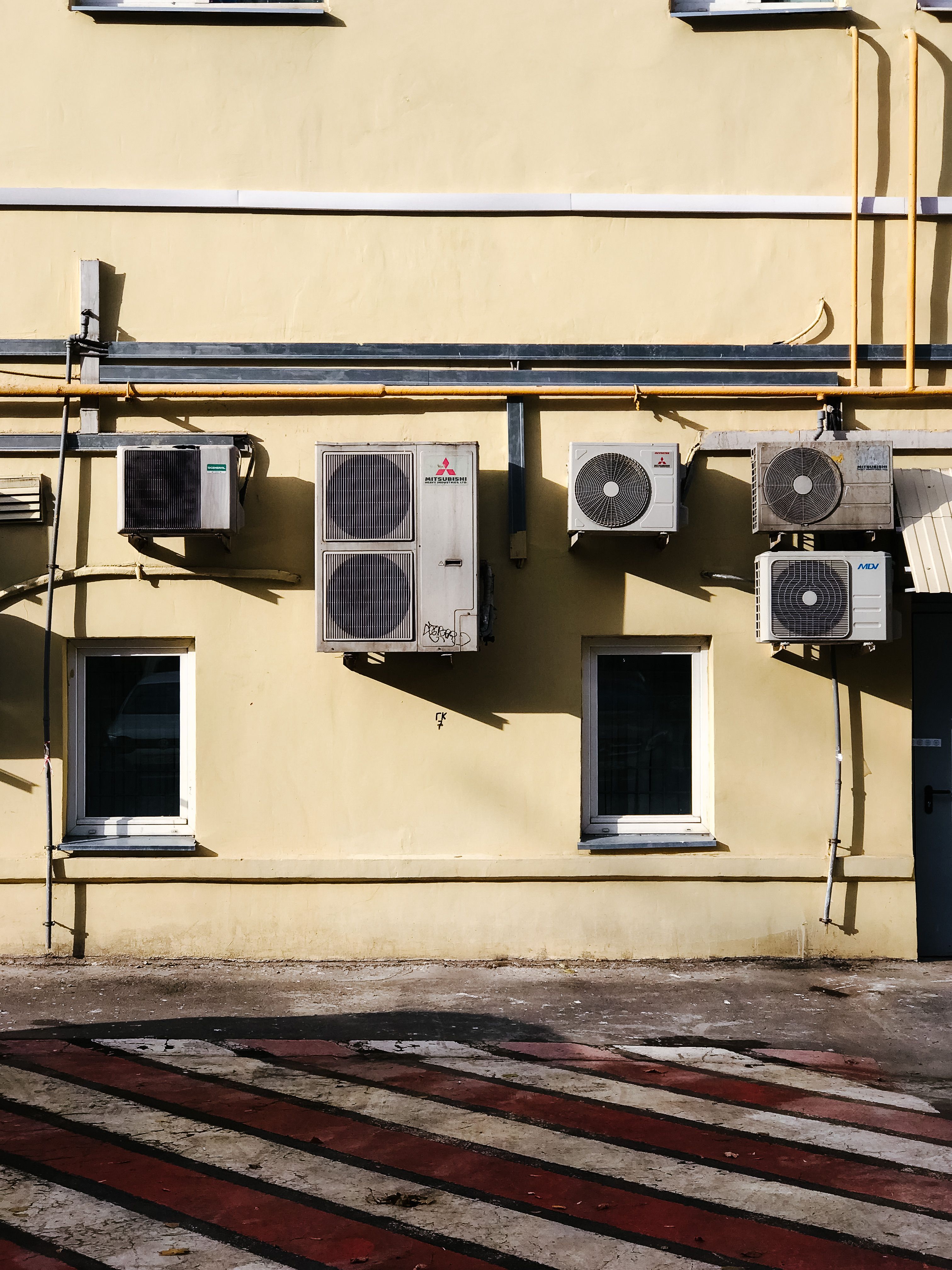
Maintenance operations represent both a major operating expense and a primary driver of resident retention across multifamily real estate portfolios. Traditional, paper-based maintenance workflows suffer from inherent inefficiencies, including miscommunicated work orders, delayed service delivery, inventory mismanagement, and reactive equipment repairs that lead to catastrophic failures. High maintenance costs, combined with extended unit turnover times, create operational friction that directly erodes Net Operating Income (NOI) and strains property staff.
To combat rising labor and supply chain costs, leading property management companies are adopting advanced maintenance technologies tailored for the rental housing sector. From AI-powered maintenance dispatch systems and predictive IoT building sensors to mobile work order apps and automated inventory platforms, modern technology turns maintenance from a cost center into an efficient operational engine. Adopting cutting-edge maintenance tools reduces equipment downtime, lowers emergency repair expenses, accelerates make-ready turn times, and significantly elevates overall resident satisfaction.
The High Cost of Reactive Maintenance in Property Operations
Operating under a reactive maintenance model, where repairs are addressed only after equipment breaks or residents submit urgent tickets, severely damages property financial health. Deferred maintenance and unexpected emergency repairs routinely cost up to three times more than planned, preventative upkeep. Emergency HVAC replacements during peak summer heat waves, undetected plumbing leaks causing widespread water damage, and sudden elevator outages generate massive unexpected capital expenditures while causing severe resident frustration.
Furthermore, inefficient manual work order management consumes significant technician time. Maintenance technicians frequently spend hours traveling back and forth to leasing offices to collect paper work orders, manually searching storage closets for replacement parts, and manually updating work order logs. These administrative bottlenecks extend service resolution times, increase unit turnover downtime during move-out cycles, and reduce overall labor efficiency, leading to higher overtime costs and lower resident retention.
Top Maintenance Technologies Transforming Multifamily Real Estate
Implementing modern maintenance technology enables property operators to digitize workflows, predict equipment failures, and optimize technician labor.
1. AI-Powered Mobile Work Order Platforms
Modern mobile maintenance applications, integrated directly into core Property Management Systems like Yardi, RealPage, or Entrata, allow residents to submit detailed service requests with photos and voice notes directly from their smartphones. Advanced platforms use artificial intelligence to categorize request urgency, automatically triage tickets, and assign work orders to technicians based on skill set and location. Mobile apps grant technicians instant access to unit maintenance histories, appliance serial numbers, and step-by-step troubleshooting guides, driving faster first-time resolution rates.
2. Predictive IoT Building Sensors and Automated Leak Detection
Internet of Things (IoT) sensors are transforming asset protection by shifting maintenance from reactive troubleshooting to predictive prevention. Smart environmental sensors installed in utility closets, water heaters, and HVAC drain pans monitor temperature, humidity, and water flow in real time. If a micro-leak or abnormal temperature spike occurs, the system automatically shuts off localized water valves and generates an urgent work order before catastrophic property damage occurs. Predictive HVAC monitoring tools track compressor performance metrics, alerting technicians to potential system degradation weeks before total failure.
3. Automated Inventory and Supply Chain Management Systems
Inventory mismanagement leads to costly project delays and excess holding costs. Specialized maintenance inventory software tracks part usage in real time using barcode scanning and RFID tags. When stock levels for essential items like plumbing valves, air filters, or door locks drop below minimum thresholds, the system automatically generates purchase orders to pre-approved vendors. Digital supply chain tools streamline procurement, secure preferred contract pricing, and ensure technicians always have required parts on hand to complete repairs without delay.
4. Unit Turnover Management Software
Accelerating the make-ready process during unit turnover is vital for minimizing vacancy loss. Turnover management applications digitize move-out inspections, automatically generate line-item repair scopes, and schedule internal technicians alongside third-party painting, cleaning, and carpet contractors. Real-time turnover dashboards provide site managers with complete visibility into every vacant unit's progress, reducing make-ready cycle times by multiple days and returning units to rentable status significantly faster.
Evaluating and Implementing Maintenance Tech via BoostNOI
Selecting the right combination of maintenance technologies requires assessing platform compatibility, deployment complexity, and return on investment.
Property leadership teams must evaluate solutions against existing enterprise technology stack. Ensure prospective maintenance software offers open Application Programming Interfaces (APIs) and seamless two-way synchronization with primary accounting and leasing engines to prevent data duplication and administrative overhead.
Utilizing marketplace discovery platforms like BoostNOI simplifies software evaluation for property management teams. BoostNOI provides unbiased comparisons, verified user feedback, pricing models, and integration data for top maintenance management tools, IoT platforms, and turnover software. Leveraging BoostNOI enables asset operators to discover cutting-edge PropTech solutions, compare vendor capabilities, and select tools that deliver immediate operational cost reductions.
Measuring Financial Impact: Lower Expenses and Higher NOI
Adopting modern maintenance technology delivers immediate, compounding financial returns visible across operating statements. Automated leak detection systems routinely prevent millions of dollars in uninsured water damage repair costs, while lowering property hazard insurance premiums. Predictive HVAC and building management tools extend mechanical equipment lifespans by twenty to thirty percent, delaying costly capital replacements.
Operationally, accelerating make-ready turn times by just two days per turnover across a two-hundred-unit asset captures additional rentable days, generating thousands in bonus rental revenue annually. Combined with lower technician overtime expenses, optimized procurement pricing, and improved resident retention driven by rapid service delivery, maintenance technologies represent one of the most effective, scalable strategies for boosting property NOI.
Conclusion
Modernizing maintenance operations through advanced technology is essential for managing operating expenses and maintaining competitive multifamily assets. By replacing reactive paper workflows with AI-powered mobile apps, predictive IoT sensors, and automated turnover tracking, real estate operators can significantly reduce costs and equipment downtime. Exploring verified maintenance tech providers on BoostNOI gives your asset management team the insights needed to deploy the best solutions for maximum NOI growth.
