The Hidden Threat of Water Waste and Catastrophic Leaks
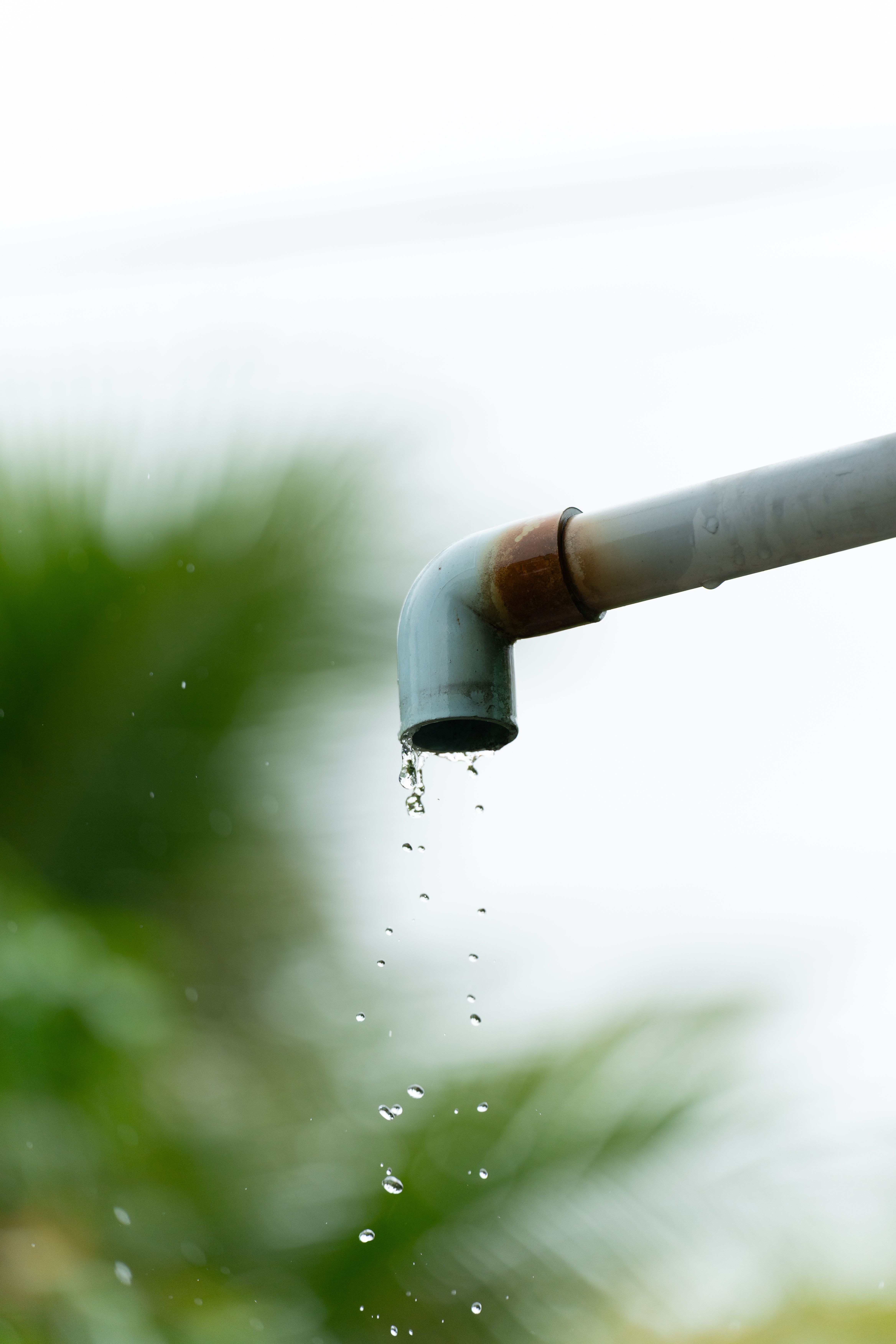
Water and sewer utility rates have escalated significantly across municipalities nationwide, outpacing inflation in many primary rental markets. For multifamily property operators, unmonitored water usage represents an expanding expense line item. Running toilets, dripping faucets, irrigation line ruptures, and hidden pipe leaks waste millions of gallons of municipal water annually across property portfolios, directly reducing operating income.
Beyond routine water utility waste, catastrophic plumbing leaks present severe asset risk. Undetected leaks inside building walls or above finished living units cause extensive physical structural damage, mold growth, resident displacement expenses, and expensive insurance claims. Traditional quarterly physical inspections are inadequate for detecting micro-leaks before substantial structural damage and utility bill spikes occur.
Deploying IoT Leak Detection and Automated Shutoff Valves
Modern water conservation technology combines IoT wireless leak sensors with automated main shutoff valves. Compact moisture sensors are placed strategically near high-risk water infrastructure, including water heaters, washing machine hookups, toilet bases, and under-sink plumbing fixtures. When a sensor detects moisture contact or continuous flow, it triggers an instant alert to onsite maintenance teams via push notifications and SMS.
In critical applications, smart leak detection platforms integrate directly with automated shutoff valves. Upon detecting abnormal water flow or major line ruptures, the system automatically closes the primary water line in seconds, stopping active flooding before structural damage occurs. Preventing a single major flooding event saves property owners tens of thousands of dollars in restoration costs and insurance deductibles.
Submetering and Flow Analytics for Early Warning
Intelligent submetering platforms continuously monitor water flow rates across individual residential units and main building lines. Advanced flow analytics algorithms detect subtle, continuous water movement indicative of running toilets or leaking flappers. Onsite maintenance teams receive automated work orders pin-pointing the exact unit and fixture requiring repair before monthly municipal utility bills arrive.
Retrofitting Fixtures for High-Efficiency Water Conservation
Alongside continuous IoT monitoring, physical water conservation retrofits provide substantial baseline utility expense reductions. Replacing legacy toilets, showerheads, and sink aerators with modern ultra-low-flow fixtures reduces overall building water consumption by twenty to thirty percent instantly without degrading resident shower pressure or usability.
High-efficiency fixture retrofits deliver extremely short payback periods, often recovering capital installation costs in under twelve months through municipal utility bill savings. Furthermore, many local water municipalities offer attractive rebate programs for multifamily properties implementing certified water-saving fixture technology, further offsetting initial hardware investment expenses.
Smart Irrigation and Landscape Water Management
Outdoor irrigation accounts for a massive portion of total water expense in garden-style and suburban multifamily communities. Traditional timer-based irrigation systems frequently run during rainstorms or over-water turfgrass during cool weather. Smart irrigation controllers utilize real-time weather data and soil moisture sensors to adjust watering schedules dynamically, preventing outdoor water waste.
Quantifying the Financial Return on Water Technology
Implementing comprehensive water conservation technology yields immediate, measurable financial returns. Direct utility expense reductions flow directly to net operating income, driving property cap rate expansion. Additionally, preventing major water damage claims maintains favorable property insurance underwriting profiles, preventing premium spikes and high deductible payments.
Furthermore, transparent water submetering and conservation initiatives align with corporate sustainability mandates and resident environmental expectations, reinforcing property brand reputation and resident retention across markets.
Conclusion
Water conservation technology is an essential operational strategy for lowering utility expenses and mitigating property damage risks. By deploying IoT leak sensors, automated shutoff valves, smart submetering, and low-flow fixtures, multifamily operators protect physical assets and expand net operating income. Perform a water efficiency audit across your portfolio today to unlock immediate utility savings.